

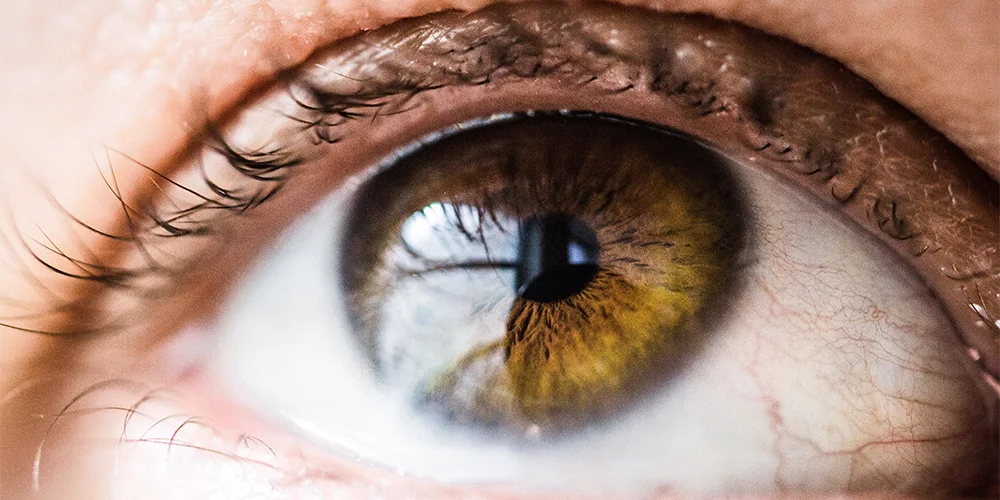
Keratoconus is a progressive eye disease that can severely impact your quality of vision. In this article, we explain everything you need to know—from early signs to the most advanced treatments available in Tijuana, Mexico, just minutes from the U.S. border.
What Is Keratoconus?
Keratoconus occurs when the cornea, normally dome-shaped, becomes thinner and bulges outward into a cone shape. This irregular shape causes light to scatter as it enters the eye, resulting in blurred or distorted vision.
Who Is at Risk?
It affects roughly 1 in 2,000 people and is often diagnosed during the teenage years or early adulthood.
Family History and Genetics
There’s evidence that keratoconus can run in families. It’s also linked to conditions like Down syndrome and Ehlers-Danlos syndrome.
Common Triggers
Chronic eye rubbing and long-term allergies are known contributors to the progression of this disease.
Early Symptoms and Diagnosis
Signs to Look For:
- Blurred or distorted vision
- Light sensitivity (photophobia)
- Halos or glare while driving at night
- Frequent changes in eyeglass prescriptions
Key Diagnostic Tools:
- Corneal topography – detailed surface mapping of the cornea
- Pachymetry – measurement of corneal thickness
- Slit-lamp exam and keratometry
Keratoconus Stages:
- Mild: subtle changes, usually managed with glasses
- Moderate: increasing vision distortion and lens discomfort
- Severe: significant thinning, often leading to the need for surgical intervention
Non-Surgical Vision Correction
Glasses and Contact Lenses
Effective in early stages but often insufficient for moderate or advanced cases.
Specialized Lenses:
- Rigid Gas Permeable (RGP) lenses
- Scleral lenses that vault over the cornea
- KeraSoft lenses, soft contacts for irregular corneas
What Is Corneal Crosslinking (CXL)?
Corneal crosslinking is a proven outpatient procedure designed to stop keratoconus from progressing. It works by strengthening the collagen fibers in your cornea through a combination of riboflavin (vitamin B2) and UV-A light.
There are two techniques:
- Epi-off: the outer layer is removed for deeper absorption
- Epi-on: the outer layer remains intact, allowing for faster recovery
In Tijuana, both methods are available and performed by cornea specialists using modern technology.

Step-by-Step:
- Application of riboflavin drops
- Exposure to UV-A light
- Collagen bonds are strengthened to stabilize the cornea
Benefits of Crosslinking
- Prevents further progression of keratoconus
- May reduce or delay the need for corneal transplant
- Can be combined with other procedures like PRK or corneal ring implants
When Is a Cornea Transplant Necessary?
Indications:
- Corneal scarring
- Severe thinning
- When other treatments are no longer effective
Transplant Types:
- Penetrating Keratoplasty (PK) – full cornea replacement
- DALK – preserves the corneal endothelium, reducing risk of rejection
Tijuana’s leading clinics offer these procedures with success rates over 90%.
Innovations in Keratoconus Treatment
- Bioengineered corneas for transplant alternatives
- Cell-based therapies in clinical trials
- MARK surgery – minimally invasive reshaping techniques
Why Choose Tijuana?
Tijuana has become one of the top destinations for Americans seeking eye care abroad. The city offers high-quality treatments at a fraction of U.S. prices, with board-certified ophthalmologists and internationally trained staff.
- Just minutes from San Diego, CA
- Specialists in corneal diseases and refractive surgery
- Up to 70% savings compared to U.S. prices
- Medical tourism infrastructure with bilingual support
FAQs
Does corneal crosslinking hurt?
The procedure is performed under topical anesthesia. Mild discomfort or sensitivity may occur for 2–3 days.
Can crosslinking prevent a transplant?
Yes, especially when done early. It halts the disease in most patients.
How do I know if I’m a candidate?
You’ll need a corneal scan and thickness measurements.
What is the recovery time?
Recovery from CXL takes 5–7 days. Transplants require up to 6 months.
Quick Takeaways
- Keratoconus can be managed with the right treatment plan
- Crosslinking is highly effective at stabilizing vision
- Specialty contact lenses provide functional vision
- Cornea transplants are a last resort—and very successful
- Tijuana offers expert care, bilingual doctors, and affordable options
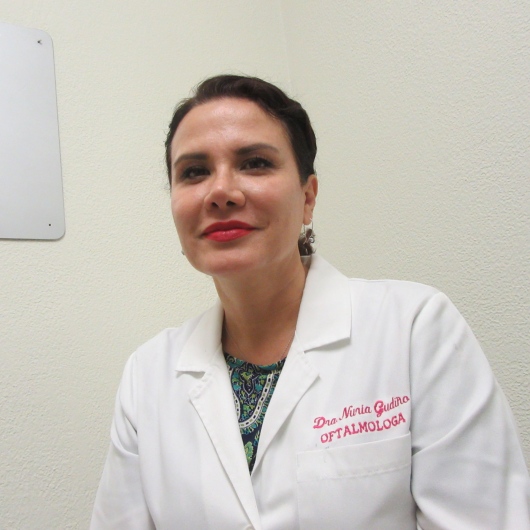
Dra. Nuria Gudiño
CERTIFIED SPECIALIST
For a specialized evaluation, consult the profile of Dr. Nuria Gudiño Téllez, an ophthalmologist specializing in cornea and refractive surgery in Tijuana
? Location: Edificio Plaza Medical, Room 205 Jose Clemente Orozco #2478, Zona Río
Tijuana, Baja California, México