

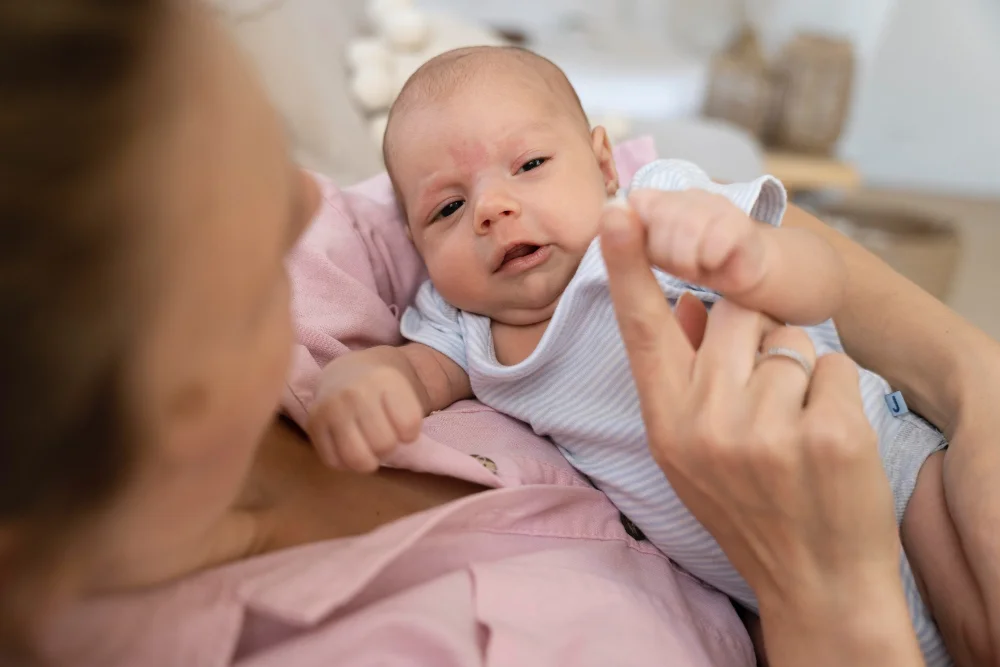
Tijuana, the border city of Baja California continues to establish itself as a hub for international healthcare. With cutting-edge hospital infrastructure, specialized units, and a multidisciplinary team of experts, it now offers neonatal care comparable to the world’s leading medical centers—especially in the treatment of critically ill and extremely premature newborns.
What Does Specialized Neonatal Care Involve?
Neonatal care is a branch of medicine focused on the comprehensive treatment of newborns, especially those born prematurely, with low birth weight, or complex health conditions. It encompasses urgent medical interventions as well as therapies that promote the baby’s neurological, respiratory, and emotional development.
Specialized neonatal teams are trained to make critical decisions in the newborn’s first moments of life, often determining survival and future quality of life. Care also extends to family support, preparing parents to actively participate in the baby’s recovery process.
Advanced Technology and Specialized Treatments
Dr. Kathia Candelario Aguilar, a board-certified neonatologist and member of the Baja Health Cluster, emphasizes that neonatal intensive care units (NICUs) in this region are equipped to treat babies born before 28 weeks of gestation or those with severe complications.
The availability of advanced technology—such as pulmonary ultrasound and near-infrared spectroscopy (NIRS)—enables precise diagnostics and therapies that reduce risks and support recovery in critically ill newborns.
These advancements make Tijuana a trusted destination in Mexico for medical tourism, attracting both local and international families seeking high-quality neonatal services.
The Importance of Skin-to-Skin Contact and Breastfeeding
A key practice in regional neonatal care is the “golden hour,” which promotes immediate skin-to-skin contact and exclusive breastfeeding within the first moments of life.
Dr. Candelario Aguilar notes that these practices provide stability for fragile newborns and have long-term health benefits, strengthening the parent-child bond and supporting the baby’s overall development.
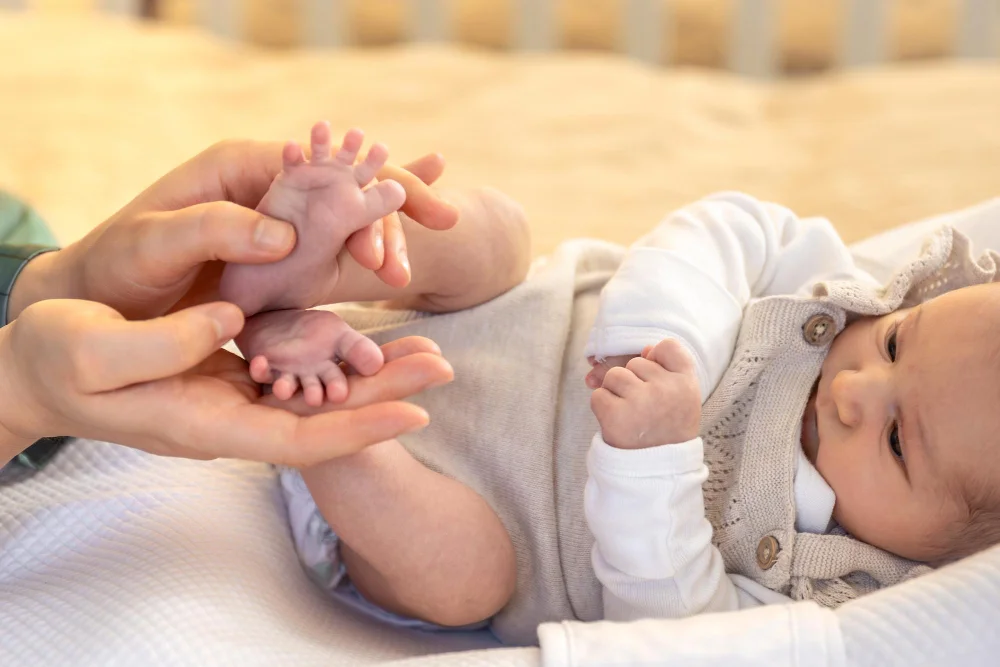
Real Stories from Families Who Trusted Regional Experts
“My baby was born at 29 weeks and needed intensive care from minute one. Here we found an incredible team who explained everything patiently and made us feel supported. Today, our daughter is healthy and strong,” shares Mariana, mother of a premature newborn.
“We traveled from California looking for quality options and found much more than expected: compassionate care, bilingual doctors, and advanced technology. We couldn’t be more grateful,” says John, an American father.
A Cross-Border Center for Medical Excellence
More families from both Mexico and the United States are turning to neonatal care in the border region. This trend reflects the growth of a high-specialty medical ecosystem, where patients find accredited hospitals, internationally trained physicians, and world-class protocols.
The network-based collaboration of the Baja Health Cluster further reinforces this trust, bringing together specialists across disciplines to provide comprehensive, family-centered care.
A Trusted Seal: Baja Health Cluster
Being part of the Baja Health Cluster provides assurance not only to doctors and hospitals but also to families seeking healthcare in northwestern Mexico. This collaborative model promotes shared learning, elevated care standards, and a firm commitment to medical innovation.
Frequently Asked Questions About Neonatal Care in the Border Region
What types of newborns need specialized neonatal care?
Premature babies (especially before 37 weeks), low birth weight infants, or those with medical complications at birth require specialized neonatal care.
How do I know if my baby needs neonatal intensive care?
Medical professionals assess the baby at birth. Indicators include difficulty breathing, low muscle tone, or the need for immediate medical support.
Can I stay with my baby during the hospital stay?
Yes. Many hospitals in the region encourage constant parent-child contact, including kangaroo care and breastfeeding within specialized units.
Are the doctors internationally certified?
Yes. Many neonatologists and pediatricians hold national certifications and international training, and they often speak English to communicate with international families.
What support do parents receive during hospitalization?
Hospitals offer emotional, psychological, and practical guidance to families, along with training in newborn care.
What makes this region a reliable destination for neonatal care?
Its strategic location, advanced technology, bilingual doctors, competitive costs, and the backing of the Baja Health Cluster establish the area as a leader in maternal and infant health services.
Neonatal Care with Global Standards
Neonatal care in this region stands as an example of medical innovation, human-centered service, and commitment to life. With highly trained specialists, state-of-the-art technology, and a family-focused approach, it continues to lead in maternal-infant health and international medical tourism.